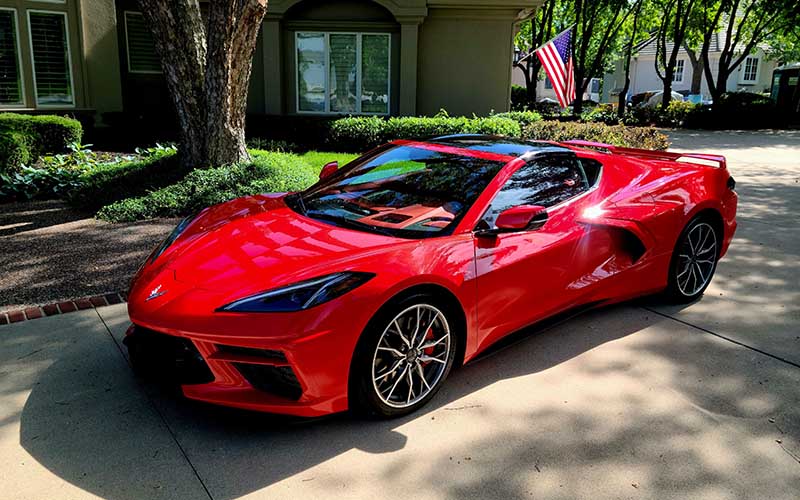
Selling a sports car such as a Chevrolet Corvette is different from selling an ordinary vehicle. Performance cars attract a specific type of buyer who cares about condition, history, specifications, appearance, and driving experience. Whether you own a classic Corvette, a modern performance model, or a highly customized example, preparing the car correctly and presenting it professionally can help you achieve a stronger sale price.
Understand Your Car’s Market Value
Before putting your Corvette up for sale, research its current market value. Sports car prices can vary widely depending on the year, model, mileage, engine options, transmission type, condition, maintenance history, and rarity. A low-mileage example with desirable options may attract collectors, while a higher-mileage vehicle may appeal more to enthusiasts looking for an affordable performance car.
Consider recent sales of similar vehicles and compare cars with matching specifications. Avoid pricing only based on emotional attachment or the amount of money spent on modifications. Buyers usually focus on the vehicle’s overall market demand rather than the owner’s personal investment.
Prepare the Car Before Listing It
First impressions matter greatly when selling a performance vehicle. A clean, well-maintained Corvette creates confidence and shows potential buyers that the car has been cared for.
Start with a thorough cleaning inside and out. Wash and polish the exterior, clean the wheels, remove interior clutter, and make sure the seats, dashboard, and carpets are in good condition. Small details can make a significant difference in how buyers perceive the vehicle.
Complete basic maintenance before showing the car. Check fluid levels, tire condition, brakes, lights, and any warning indicators. If there are minor repairs that are inexpensive to fix, completing them before the sale may prevent buyers from negotiating the price down.
Collect All Important Documentation
Sports car buyers often want proof that the vehicle has been properly maintained. Gather service records, repair receipts, ownership documents, manuals, original equipment information, and details about any modifications.
A complete history can increase buyer confidence and may help justify a higher asking price. If the Corvette has special features, limited production details, factory options, or professional upgrades, document those as well.
Create a Strong Vehicle Presentation
High-quality photos and a detailed description are essential when selling a Corvette. Many buyers begin their search online, so your vehicle needs to stand out.
Take clear photos in good lighting from multiple angles. Include exterior shots, interior details, engine bay images, wheels, tires, dashboard information, and any unique features. Avoid using blurry or poorly lit pictures because they can make even an excellent car appear less desirable.
Your description should be honest and informative. Include the year, model, mileage, engine specifications, transmission, ownership history, maintenance information, condition, and any upgrades. Highlight the car’s strengths without exaggerating its qualities.
Choose the Right Type of Buyer
Sports cars attract different types of buyers. Some are collectors searching for original examples, while others are enthusiasts interested in performance upgrades or weekend driving.
Understanding your Corvette’s audience can help you market it effectively. A rare, original, low-mileage model may appeal to collectors who value authenticity. A modified performance-focused car may attract drivers looking for enhanced handling, power, or appearance.
Be patient during the selling process. The best buyer may not be the first person who contacts you. Serious enthusiasts often take time to ask questions, inspect the vehicle, and compare options before making a decision.
Handle Inspections and Test Drives Carefully
Potential buyers may want to inspect the Corvette or arrange a test drive. This is normal when selling a performance vehicle. However, protect yourself by verifying the buyer’s identity and making sure they are genuinely interested.
Allow serious buyers to examine the vehicle carefully. Transparency builds trust. If the buyer requests a professional inspection, cooperating with a reasonable inspection process can help complete the sale.
During test drives, consider setting clear rules. Sports cars have powerful engines, and allowing an unknown person to drive aggressively creates unnecessary risk.
Negotiate Professionally
Negotiation is common when selling a sports car. Buyers may point out minor imperfections or compare your vehicle with others on the market. Be prepared to discuss your asking price with facts, including condition, maintenance history, and special features.
Avoid rushing into a low offer simply because you want a quick sale. A properly prepared Corvette often attracts more serious buyers and stronger offers.
Complete the Sale Safely
Once you agree on a price, complete the transaction carefully. Use secure payment methods, provide the necessary paperwork, and follow your state’s requirements for transferring ownership.
Remove personal items from the vehicle, cancel your insurance after the sale is complete, and keep copies of all important documents related to the transaction.
Selling a Corvette successfully requires preparation, accurate pricing, professional presentation, and patience. A sports car is more than transportation—it represents performance, design, and passion. By showing buyers that your vehicle has been respected and properly maintained, you increase the chances of finding the right buyer and achieving a fair price.